What was u.comms tasked with in the project?
As part of the “Building Community Capacity to Provide Integrated Social Services for Vulnerable Children” project, there was a need to improve the quality and ethical standards of social issue coverage in regional media.
The agency’s main task was to develop and deliver a series of training sessions on ethical and accessible communications for media professionals from the Lviv, Volyn, and Zakarpattia regions, increase their understanding of social services, and develop practical skills for working with sensitive topics.
Scale of the project
Develop a training program, engage media outlets from three regions, deliver a series of offline and online intensive sessions, and ensure a thorough understanding of ethical communication standards.
How did we organize preparation and participant recruitment?
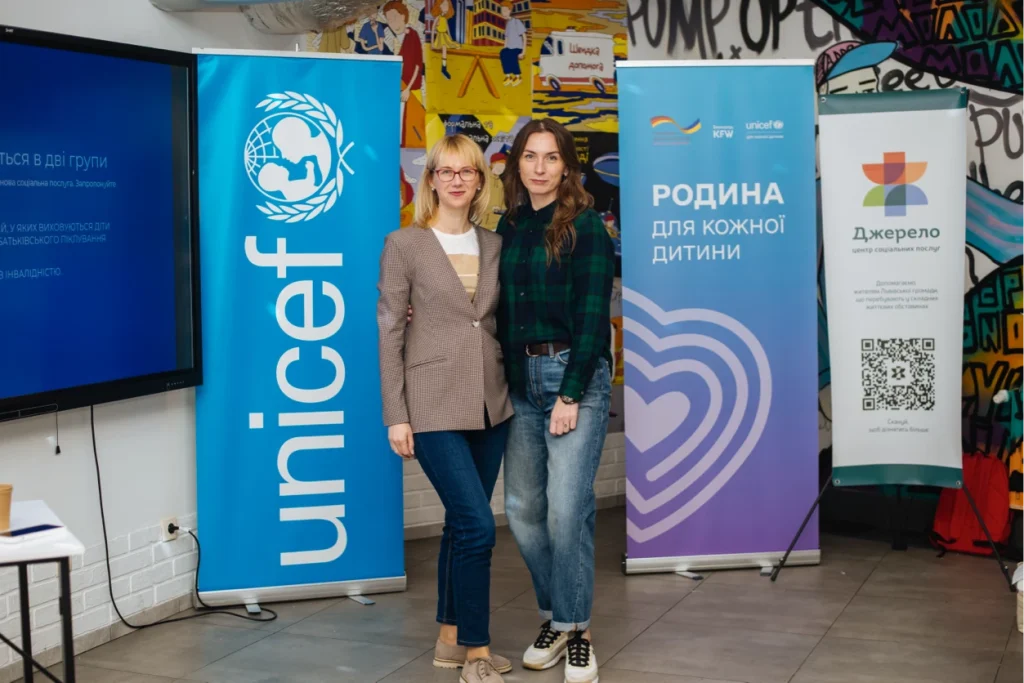
The project was implemented in partnership with the Dzherelo Lviv Center for Social Services and Rehabilitation and the United Nations Children’s Fund (UNICEF).
To engage as many media professionals as possible, the u.comms team used a multi-channel approach:
- Media database: Compiled a relevant list of media outlets operating in Lviv, Lutsk, and Uzhhorod.
- Multi-channel promotion: Distributed direct invitations to editorial teams, promoted the trainings through Telegram channels, and used targeted advertising.
- Cooperation with regional authorities: Secured support from Regional Military Administrations to further distribute information among local journalists.
Practical methodology and training sessions
The u.comms experts developed training materials focused on practical exercises and challenging common misconceptions about social services.
Error analysis and ethical standards
Participants worked with real stories containing ethical issues, analyzed the mistakes, identified the appropriate focus, and rewrote the stories for publication.
World Café method
During an interactive session, journalists developed new formats for covering social services in local communities, learning to recognize the potential of sensitive topics and find stronger journalistic approaches.
What results did the training program achieve?
3 training sessions
Organized and delivered 2 offline intensive sessions in Lviv and Lutsk, and 1 online training session for Zakarpattia.
30+ participants
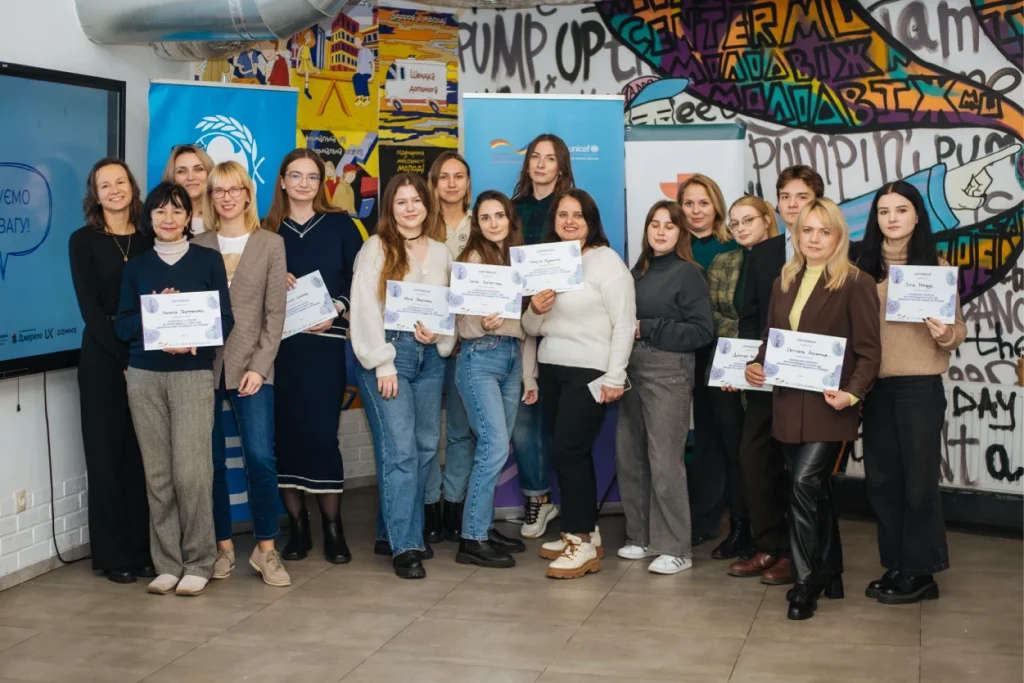
More than 30 representatives of regional media outlets completed the training.
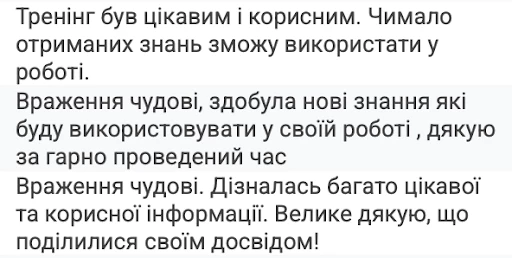
90% knowledge retention
According to the final survey, 90% of participants successfully absorbed the material and correctly answered the assessment questions.
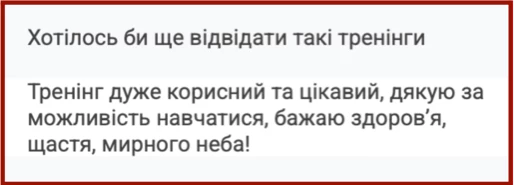

“Participants gained a deeper understanding of ethical reporting on social issues and practical skills, while we built a strong foundation for further cooperation with regional media”