How do you choose the right partner for a joint campaign, organize the work when everything is “on fire,” and keep your audience engaged throughout a long-term communication effort?
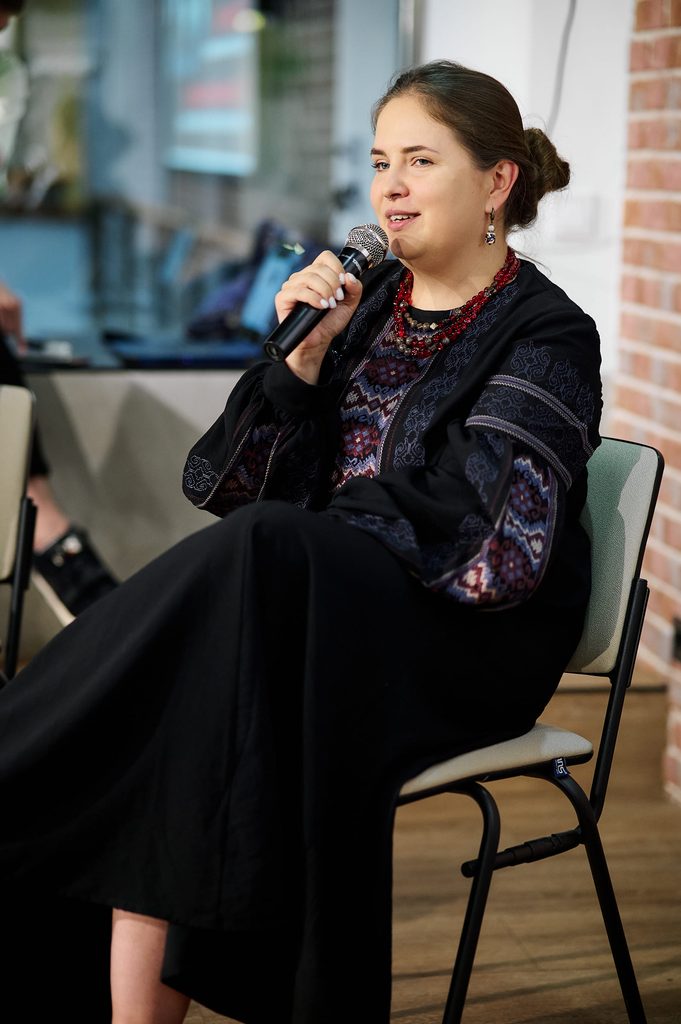
These were some of the topics discussed at a u.comms club meeting with Olha Omelianchuk and Yaroslava Poliakovа. At the time of the meeting, Olha headed the Communications and Marketing Department at the Come Back Alive Foundation, while Yaroslava headed the Corporate Communications Department at OKKO.
The speakers shared their practical experience of working on joint projects and discussed what helps turn a collaboration into a systematic and effective communications effort.
How to Choose a Partner
Successful collaboration starts with trust. Before getting started, it is important to understand whether a potential partner shares your values, what expertise they bring, and how exactly they can strengthen the project. Their reputation and transparency should also be taken into account.
Effective collaboration is built on empathy, sound judgment, consistency, and accountability. There should be no “one side works for the other” dynamic. Both parties need to be equally invested in the outcome.
What to Do When Everything Is “On Fire”
Even an urgent project needs structure. Collaboration starts with identifying the need, followed by developing the idea and turning it into a clear, workable concept.
A shared working document is an important tool. It should be continuously updated and adjusted so that everyone involved has access to the latest version and understands the current state of the project.
Potentially difficult questions from the audience should also be anticipated at the planning stage, with answers prepared in advance. And when the information landscape changes, there is no reason to stick to a content plan simply because it has already been approved. Situational communications may require planned content to be adjusted quickly.


How to Keep the Audience Engaged
For long-term campaigns, it is not enough to launch the communication once and wait for the results. The audience needs to be continuously brought back to the project, with interest maintained and new reasons for engagement created.
Emotional hooks can help with this. These are elements of communication that trigger an emotional response and motivate people to follow the project as it develops. At the same time, emotional appeal should not become an end in itself. It should serve the campaign’s core message and objectives.
Don’t Forget About Internal Communications
An external campaign does not operate in a vacuum. For the communications mechanism to work effectively, organizations need to develop internal channels and engage employees in important initiatives.
Employees can be a key audience, project ambassadors, and an additional channel for spreading information. But for that to happen, they need to understand what is happening and why the company is running the initiative.
Media and Influencers: Compromise Is Sometimes Necessary
When working on joint projects, partners may have different expectations around communications. For example, having both partners mentioned in media or influencer content may seem like an obvious win-win. But that is not always the case.
That is why it is important to agree in advance on key formats, expectations, and possible compromises, rather than trying to resolve everything after the campaign has already launched.
Consistency Matters More Than Heroics
An effective collaboration is about more than a good idea. It requires regular meetings, shared chats, working documents, reporting, measuring results, and ongoing communication between partners.
And, of course, learning from mistakes.
Once a project is complete, it is important to analyze what worked and what did not, which decisions proved effective, and what should be changed next time.
This kind of systematic approach is what turns individual collaborations into long-term partnerships and strong communications projects.