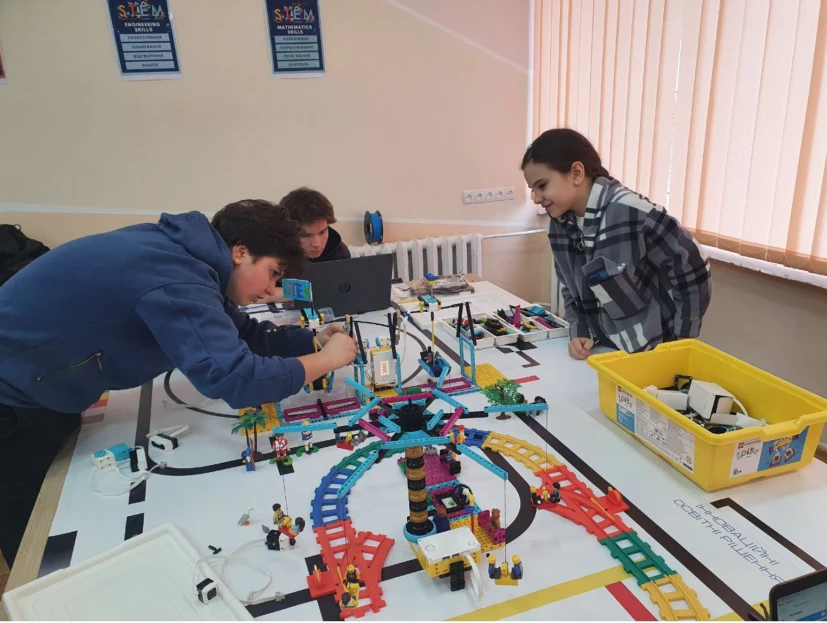
Equipping 21 schools across five regions of Ukraine with STEM labs featuring 3D printers and robotics opened up new opportunities for children in small towns and rural communities to access modern education, explore technology, and develop their creativity.
The social impact of the EGAP Program and the East Europe Foundation
What was u.comms tasked with?
Our long-term client, the East Europe Foundation, turned to u.comms for communications support in promoting a project that equipped schools in different regions with modern science and technology labs. The initiative was implemented as part of the Ukrainian-Swiss EGAP Program, with support from EPAM Ukraine.
The schools renovated classrooms to accommodate the new labs, while teachers received specialized training. Students formed STEM clubs and had already begun presenting their first projects – including LEGO robots capable of moving, dancing, and performing simple tasks.
Key objectives
- Generate media coverage: Tell the story of 21 schools equipped with 3D printers, robotics kits, weather stations and digital microscopes.
- Support project events: Provide PR support for the online presentation of the school project competition and the awards ceremony for the winners.
- Showcase real experiences: Create engaging stories based on firsthand experiences of school principals, teachers and students.
How did we implement the communications campaign?
The u.comms team developed a comprehensive media strategy built around real people and their stories. Schools were eager to share their experiences of preparing for the project, renovating classrooms, and training teachers – giving us authentic stories with a strong human angle.
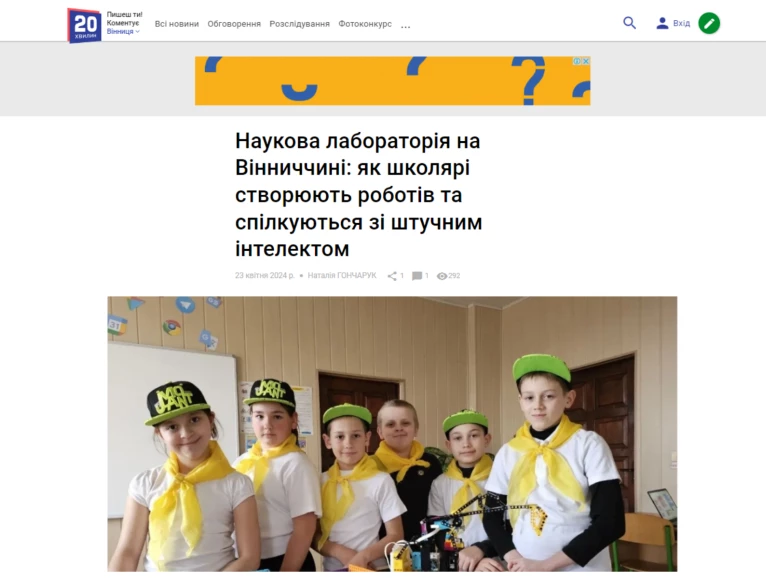
- Regional success stories: Produced four in-depth stories for media outlets in Odesa, Volyn, Dnipropetrovsk and Vinnytsia regions.
- Expert interview: Interviewed Yuliia Masliana, an EGAP robotics expert who went from being an IT teacher in Chernihiv to becoming a coordinator of the nationwide project.
- Media support for events: Prepared press releases announcing the competition and the finalists’ awards ceremony.
- Media pitching and partnerships: Pitched the story to ShoTam, which became interested in the project and began producing its own video story about one of the participating schools.
What results did the campaign deliver?
By focusing on authentic stories and well-crafted content, we secured organic media coverage without any additional media placement budget.
As a result, four stories were published in regional media:
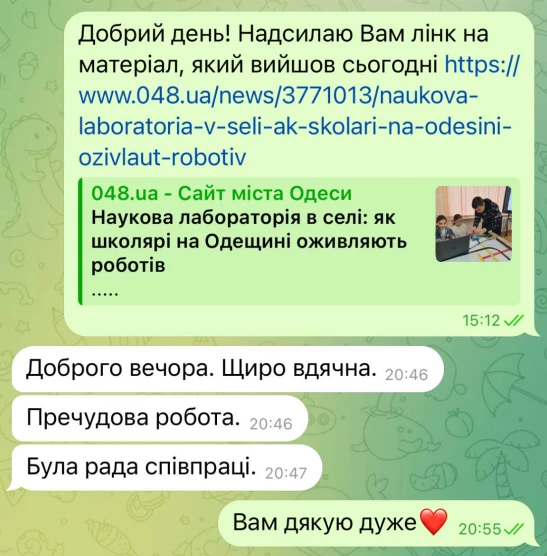
We also interviewed robotics expert Yuliia Masliana and published her story in the national media outlet Rubryka.
All five media outlets agreed to publish the materials free of charge. We also pitched the story to ShoTam, which took an interest in the project, contacted the principal of one of the schools, and began producing its own video feature.
Key results
5 organic media publications
published across regional media outlets and the national publication Rubryka.
A feature by ShoTam
an additional video story about the STEM labs was initiated following our pitch.
100% organic media coverage
all coverage was secured without paid media placements, driven by the relevance and human interest of the stories.